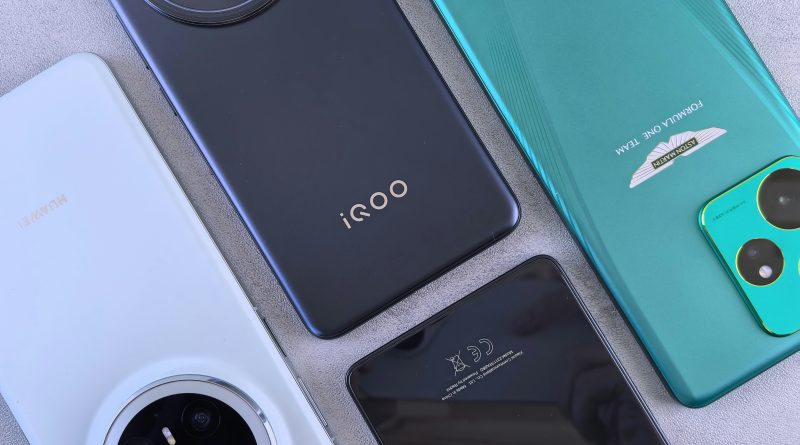
iQOO Z11 Launches in India as the Brand Tries to Stop a 61% Sales Collapse
By OFOKI TECH | August 22, 2026
iQOO launched the Z11 in India on August 20, 2026. The timing is not accidental. The brand needs a win. In the second quarter of 2026, iQOO shipments in India fell by 61% year-over-year, the steepest decline of any tracked brand, according to IDC data. The Z11 is positioned as the device that will reverse that slide. Whether it can depends on how accurately iQOO has read a market that has changed dramatically in twelve months.
What the Z11 Actually Is
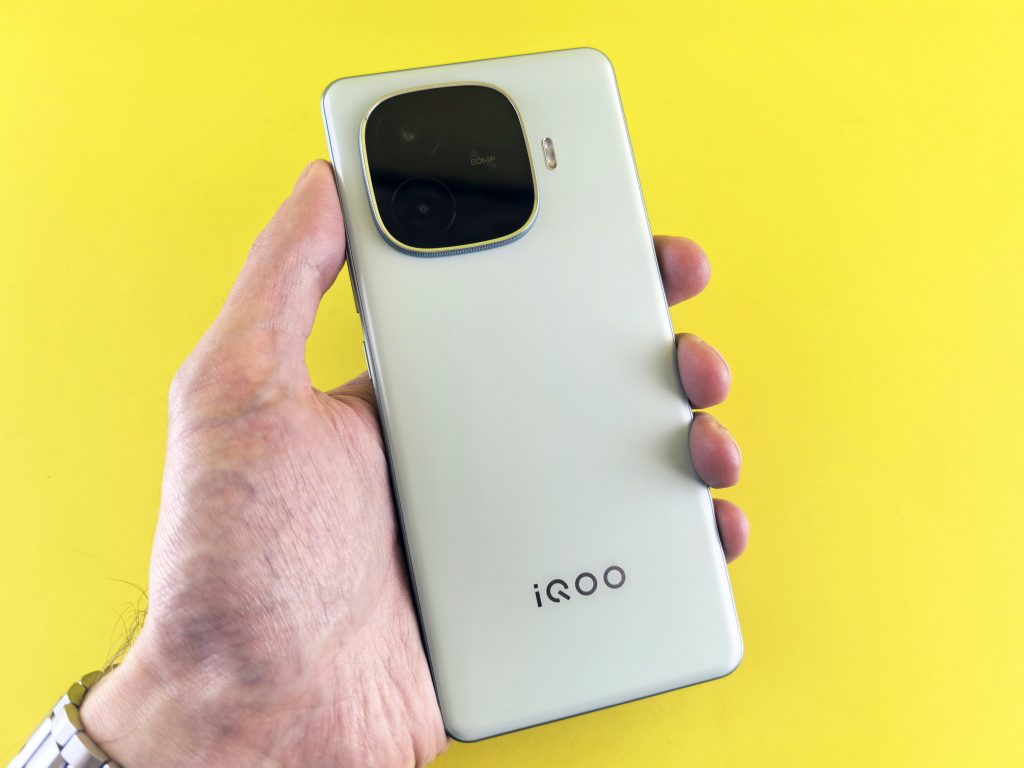
The specifications reported by Indian outlets differ from those cited by Chinese publications, creating confusion about which variant launched where. According to Gizmochina and Smartprix, the Indian model features a MediaTek Dimensity 7500 Turbo chip, a 6.83-inch AMOLED display at 120Hz, 8GB of RAM, 256GB of storage, a 7,050mAh battery, and 44W fast charging. The rear camera array is listed as 50MP plus 8MP. The front camera is 32MP.
However, Cashkr reported a different configuration entirely for what it called the iQOO Z11: a Dimensity 8500 chip, a 6.83-inch 1.5K AMOLED display at 165Hz, a 9,020mAh battery, 90W charging, and a rear camera setup of 50MP plus 2MP. Cashkr explicitly stated this was the Chinese variant and that no India launch date had been confirmed at the time of writing.
The discrepancy suggests either that iQOO launched a dialed-down variant in India, or that some sources conflated the Z11 with a different model in the series. Gizmochina’s report on the India launch did not mention a 165Hz display or a 9,020mAh battery. It described the device as having a 120Hz screen and 44W charging. This aligns more closely with the Smartprix listing than with the Cashkr specifications.
For the purposes of this article, the Indian variant is the relevant one. It appears to use the Dimensity 7500 Turbo, a 7,050mAh battery, and 44W charging. The 91Mobiles benchmark database lists the Dimensity 7500 Turbo with an AnTuTu score of approximately 1.1 million, a Geekbench 6 single-core score of 1,103, and a multi-core score of 3,333. This places it in the upper mid-range, roughly comparable to the Snapdragon 7s Gen 3 or the Dimensity 7300 series.
The Market Context
The India smartphone market contracted by 11.1% year-over-year in Q2 2026, according to IDC. The entry-level segment, devices priced below Rs 10,000, collapsed by 59%. The mass-budget segment, Rs 10,000 to Rs 20,000, grew by 10% as buyers were forced upward by the disappearance of cheaper options. The average selling price hit a record Rs 30,000, up 10.4% year-over-year.
iQOO’s specific decline was catastrophic. The brand’s shipments fell 61% in Q2 2026, dropping its market share from 4.3% to 1.9%. IDC attributed the broader Chinese brand weakness to their traditional strength in the low-end and mass-budget segments, which became unprofitable as memory prices surged. Samsung, by contrast, grew 0.4% and expanded its share from 14.5% to 16.4%. Apple grew 0.7% and increased its share from 7.5% to 8.5%.
The Z11 enters this environment at a critical price point. If it is priced in the Rs 20,000 to Rs 25,000 range, it competes directly with the Redmi Note 16 series, the Realme Narzo 80 line, and Samsung’s Galaxy A56. If it drifts above Rs 25,000, it faces the OnePlus Nord series and Samsung’s Galaxy A70 range.
The Battery as the Selling Point
The 7,050mAh battery is the Z11’s most distinctive specification. Most smartphones in the Rs 20,000 segment carry 5,000mAh to 6,000mAh cells. A 7,050mAh battery, if accurate, would give the Z11 a multi-day endurance advantage that is immediately understandable to buyers who prioritize battery life over camera versatility or design.
The tradeoff is charging speed. At 44W, the Z11 charges slower than competitors like the Realme Narzo 80 Pro, which offers 67W, or the Redmi Note 16 Pro Plus, which offers 120W. A 7,050mAh battery at 44W will take well over an hour to charge from empty to full. For buyers who charge overnight, this is irrelevant. For buyers who need a quick top-up during the day, it is a limitation.
The Camera Limitation
The rear camera array is described as 50MP plus 8MP by some sources and 50MP plus 2MP by others. Either way, this is a basic setup. There is no ultrawide lens capable of macro work, no telephoto, and no dedicated depth sensor of meaningful resolution. The 50MP main sensor likely carries optical image stabilization, which is standard at this price point, but the secondary lens is filler.
This is a deliberate choice. iQOO markets the Z series as gaming and performance devices, not camera phones. The brand’s parent company, Vivo, handles the camera-focused segment with its V and X series. iQOO’s job is to offer raw performance and battery life at aggressive prices. The Z11 follows that template.
The iQOO Brand Problem
iQOO was launched in 2019 as a sub-brand of Vivo, part of the BBK Electronics portfolio that also includes OPPO, Realme, and OnePlus. Its positioning has always been slightly awkward. It is technically independent but shares supply chains, manufacturing, and retail relationships with Vivo. In India, iQOO devices are sold primarily through Amazon and Flipkart, with limited offline presence.
The 61% shipment decline in Q2 2026 suggests this model is failing. Online-exclusive brands are vulnerable to pricing pressure and inventory mismatches. When memory costs spike, online brands cannot absorb the hit as easily as Samsung or Apple, which have diversified revenue streams and higher-margin products.
The Z11 is an attempt to correct course by returning to basics: a large battery, a capable chip, and a price that undercuts the competition. Whether this is enough depends on how aggressively iQOO markets the device and whether it can secure favorable placement on Amazon and Flipkart during the upcoming festive season.
Verdict
The iQOO Z11 is a competent device that does one thing exceptionally well: battery life. If the 7,050mAh figure holds up in real-world testing, this is the phone for buyers who are tired of charging daily. The Dimensity 7500 Turbo is fast enough for BGMI and Call of Duty Mobile at medium to high settings. The 120Hz AMOLED display is smooth and responsive.
But the camera system is a weakness that competitors will exploit. The Redmi Note 16 Pro offers a 200MP main sensor and an ultrawide lens at a similar price. The Realme Narzo 80 Pro offers faster charging. Samsung’s Galaxy A56 offers a more polished software experience and better after-sales support.
iQOO’s problem is not the Z11’s specifications. It is the brand’s collapsing market presence. A 61% shipment decline in one quarter is not a trend; it is a crisis. The Z11 is a solid product, but solid products do not save brands that have lost retail visibility and consumer trust.
If iQOO prices the Z11 aggressively, below Rs 22,000, it could win back some volume. If it prices it above Rs 25,000, the phone will struggle against better-known competitors. The Z11 is not iQOO’s problem. iQOO is iQOO’s problem.
Sources and further reading
- Gizmochina: iQOO Z11 India launch
- Smartprix: iQOO Z11 5G specifications
- Cashkr: iQOO Z11 specs and price
- 91Mobiles: MediaTek Dimensity 7500 Turbo benchmark scores
- IDC: Chinese brands see double-digit declines in India smartphone market in Q2 2026
- IDC: Why India’s smartphone market declined 4.1% in Q1 2026
- Counterpoint Research: India smartphone market sees weakest quarter in six years
- Times of India: Entry-level smartphone market shrinks 59%