Apple Agrees to $250 Million Settlement Over Delayed Siri AI Features
By OFOKI TECH | July 27, 2026
Apple has agreed to pay $250 million to settle a U.S. class action lawsuit accusing the company of misleading consumers about the availability of artificial intelligence features in its iPhones. The settlement, first reported by the Financial Times on May 5, 2026, and subsequently covered by TechCrunch, USA Today, and 9to5Mac, applies to eligible U.S. customers who purchased specific iPhone models between June 10, 2024, and March 29, 2025. Apple has denied any wrongdoing.
The Lawsuit and Its Origins
The class action was filed in March 2025 by Peter Landsheft, a California resident, after Apple delayed the launch of a personalized version of Siri that had been previewed at WWDC 2024. During that conference, Apple showcased Apple Intelligence capabilities integrated into Siri, including on-screen awareness, deeper per-app controls, and the ability to understand a user’s personal context across messages and emails. The company promoted these features in product presentations, on its website, and in a television commercial starring actress Bella Ramsey.
According to the complaint, cited by 9to5Mac, Apple « promoted AI capabilities that did not exist at the time, do not exist now, and will not exist for two or more years. » The plaintiffs argued that the company « saturated the internet, television, and other airwaves » to create the expectation that these features would be available at launch, thereby influencing purchasing decisions for devices that did not contain the advertised functionality. In March 2025, Apple announced the delay of the personalized Siri features, which triggered the legal action.
Apple denied the allegations. In a statement to USA Today, the company said it resolved the suit to stay focused on « delivering the most innovative products and services to our users. » In a separate statement to 9to5Mac, Apple noted that it had already shipped more than 20 Apple Intelligence features, including Visual Intelligence, Live Translation, Writing Tools, Genmoji, and Clean Up, and continues to assert that it « acted in good faith and in a manner reasonably believed to be in accordance with all applicable rules, regulations, and laws. »
Who Qualifies and How Much They Will Receive
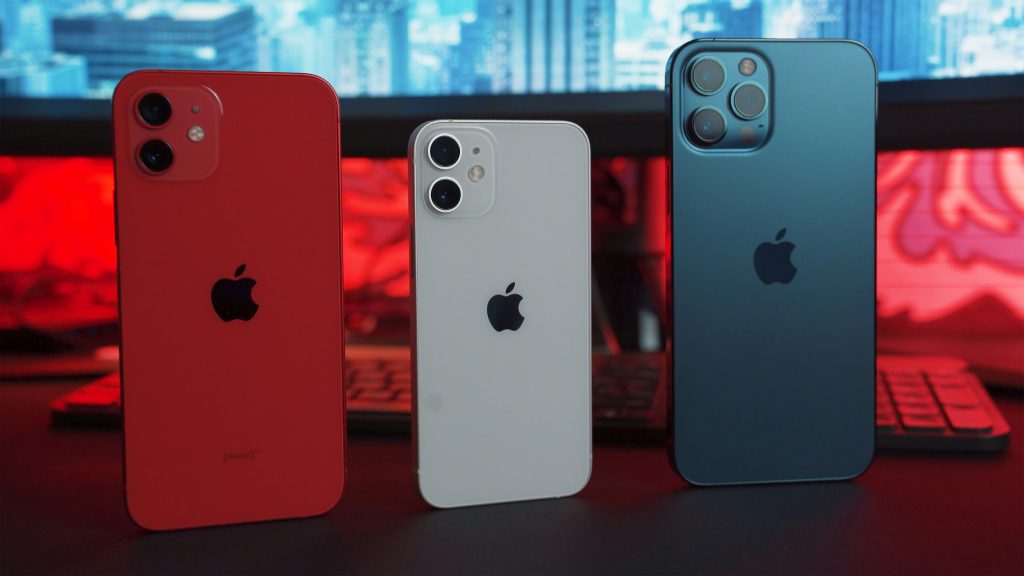
The settlement covers U.S. residents who purchased any of the following devices during the eligibility window of June 10, 2024, to March 29, 2025:
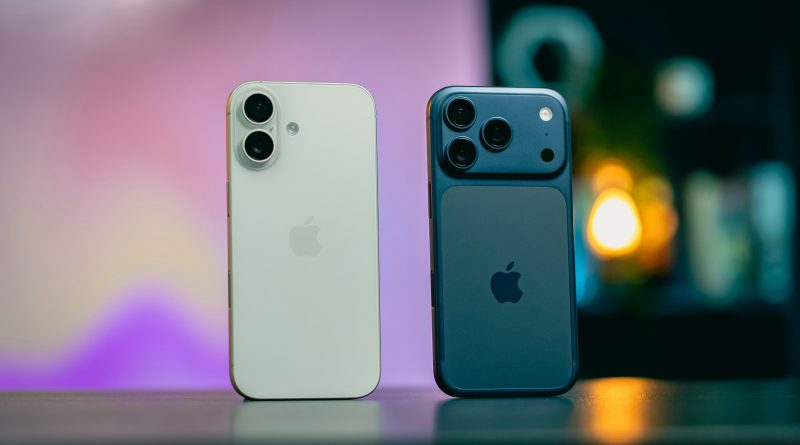
The iPhone 15 Pro models qualify because they are equipped with the A17 Pro chip, which meets the processing requirements for Apple Intelligence. The iPhone 16 series was marketed specifically around these AI capabilities.
The base payout is set at $25 per eligible device, according to court filings cited by USA Today and TechCrunch. This amount could rise to as much as $95 per device if the total number of claims submitted is lower than anticipated. Conversely, if participation is high, individual payments could fall below the $25 baseline. The $250 million pool also covers attorneys’ fees and administrative costs, which reduces the total amount distributed to claimants.
Approximately 36 million customers are estimated to be eligible, according to Tom’s Guide.
The Claims Process and Timeline
The procedural status of the settlement contains conflicting reports. Tom’s Guide states that the settlement was approved in June 2026. However, MacRumors, reporting on July 9, 2026, wrote that the California court overseeing the case had held a hearing on preliminary approval but that « the judge has not yet issued a ruling. » As of July 27, 2026, no public record confirms whether a final approval has been granted. This discrepancy has not been resolved in the available sources.
If the settlement is approved, eligible class members will be notified by email within approximately 45 days of preliminary approval, according to court documents cited by MacRumors. Those who do not receive a notification but meet the eligibility criteria remain entitled to file a claim. A settlement administrator website, operated by Verita, is expected to go live with an online claims form. Claimants will have 90 days from the date of notification to submit their request.
To file a claim, users will need to provide proof of purchase. This may include a receipt, confirmation email, serial number, Apple ID information, or phone number associated with the device, according to 9to5Mac and Tom’s Guide. It is unclear whether claimants must still physically possess the eligible device.
Payments, if the settlement proceeds, are not expected to arrive before September 2026 at the earliest, and possibly not until late 2026 or early 2027, according to MacRumors and Tom’s Guide. No action is required from eligible customers at this time.
The Technical Context
Apple Intelligence was unveiled at WWDC 2024 as a suite of on-device and cloud-based AI features. At launch, the iPhone 16 shipped with basic tools such as Writing Tools, Notification Summaries, and Clean Up in Photos, but the advanced Siri capabilities prominently advertised in marketing materials were absent. The delay of the personalized Siri features in March 2025 left a gap between what was promised and what was delivered.
Apple presented the overhauled « Siri AI » at WWDC 2026 in June. The updated assistant is currently available in the iOS 27 developer beta, with a public beta expected in July 2026. The general release is scheduled for September 2026 and will be limited to devices with an A17 Pro chip or newer, which includes the iPhone 15 Pro and all iPhone 16 models.
What Remains Unclear
Several details are still pending. The exact documentation required to prove eligibility has not been finalized. The final payout per person depends on the number of claims submitted, which is impossible to predict. The settlement is restricted to U.S. residents; no equivalent proceedings have been reported in other jurisdictions as of July 27, 2026. Additionally, the conflicting reports about whether judicial approval has already been granted highlight a gap in the publicly available record.
Sources and further reading
- Financial Times — Apple to pay $250M to settle Siri AI lawsuit
- TechCrunch — Apple to pay $250M to settle lawsuit over Siri’s delayed AI features
- USA Today — Apple class action settlement could pay you money
- 9to5Mac — iPhone users could get up to $95 per device as Apple reaches $250M settlement over Siri delays
- MacRumors — ‘Siri AI’ Lawsuit Update: Apple to Pay Owners of These iPhone Models
- Tom’s Guide — Apple is paying $250 million to iPhone customers over delayed AI features